The Illusion of Control
One of the most significant psychological tricks casinos employ is the illusion of control. This concept suggests that players may feel they have more influence over game outcomes than they actually do. For instance, when players engage in certain rituals or specific betting patterns, they might convince themselves that their actions can sway the results. This perceived autonomy encourages players to continue gambling, leading them to believe they can beat the odds. Many gamblers are drawn to a list of sweepstakes casinos that promise exciting experiences and the potential for big wins, amplifying this feeling of control.

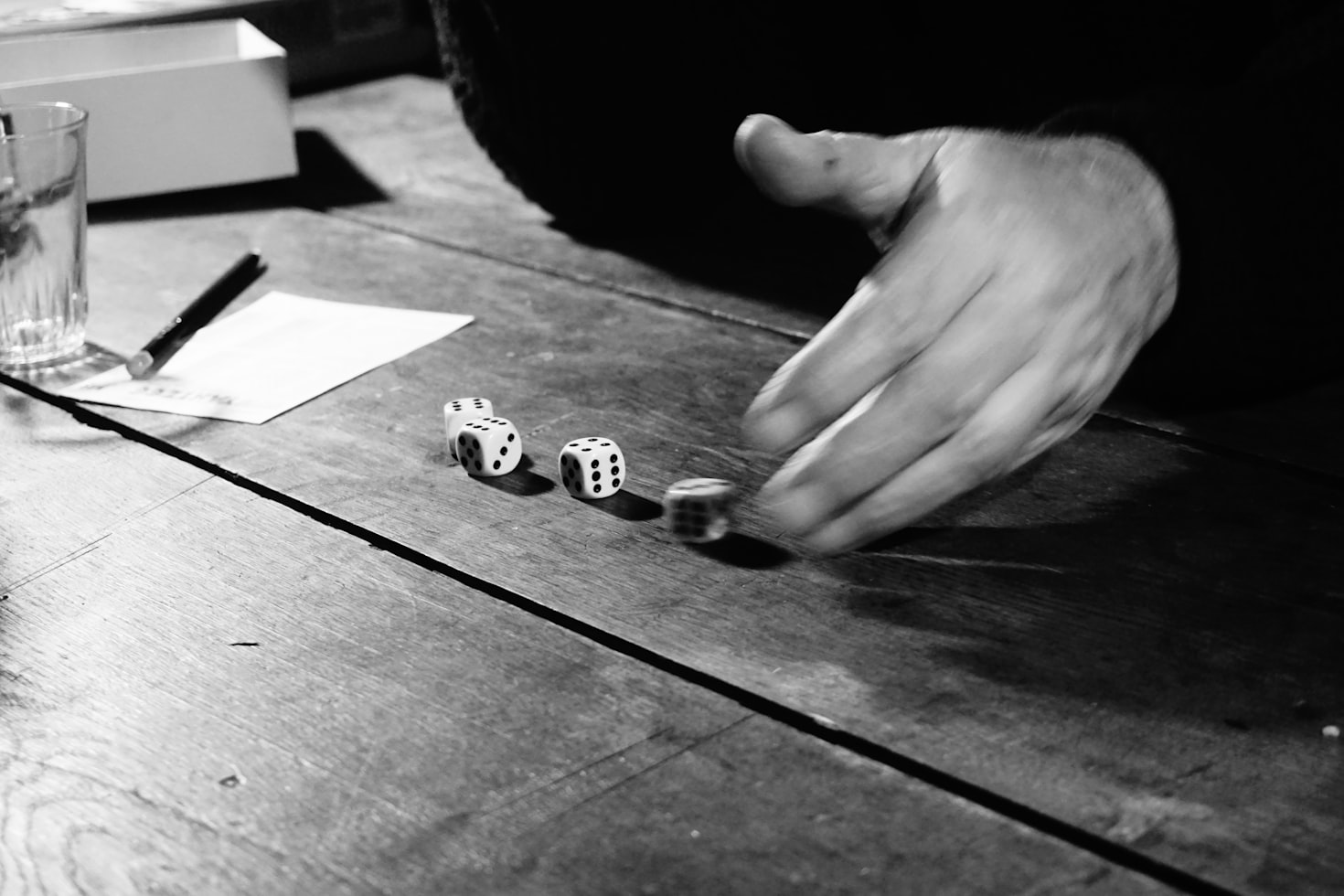
This illusion is particularly potent in games like dice or roulette, where players can see the physical factors at play. By rolling the dice in a certain way or choosing a lucky number, players often feel a false sense of security, driving them to stay longer in the casino in hopes of achieving a favorable outcome.
Rewards and Reinforcement
Certain games are specifically designed to exploit the brain’s reward system. Casinos use variable reinforcement schedules to keep players engaged. Unlike a consistent payout, which may eventually lead to boredom, a variable schedule provides unpredictable rewards that can create excitement and anticipation. This unpredictability encourages longer play sessions, as players remain hopeful for the next big win.
Moreover, the excitement generated by these intermittent rewards can lead to a dopamine release, reinforcing the behavior of playing. The more players experience these highs, the less likely they are to recognize their losses, thus maintaining their engagement with the games.
The Environment and Atmosphere
The ambiance of a casino is intentionally crafted to enhance the gaming experience and encourage longer visits. Bright lights, vibrant colors, and engaging sounds create a stimulating environment that can captivate players. Research shows that certain colors can evoke emotions that enhance risk-taking behavior, making individuals more likely to gamble.
Additionally, the absence of clocks and windows eliminates natural time cues, allowing players to lose track of their time. This design strategy ensures that players remain absorbed in the gambling experience without realizing how much time has passed, which often encourages them to spend more money.
The Social Aspect of Gambling
Gambling is often seen as a social activity, which can significantly influence a player’s behavior and decision-making. Casinos often capitalize on this by encouraging group play or offering complementary beverages to create a relaxed atmosphere. This social dynamic can lead to a sense of camaraderie among players, making it easier for individuals to justify continued play as part of an enjoyable outing.
Moreover, observing other players celebrating wins can create a contagion effect, driving individuals to gamble to capture a piece of that excitement. The combination of social interaction and peer influence can be a powerful motivator, keeping players at their tables for longer periods.
Conclusion: Understanding Casino Psychology for Smarter Choices
Understanding the psychological tricks that casinos employ can empower players to make more informed choices when gambling. By recognizing the illusion of control, the impact of rewards, the immersive environment, and the social dynamics at play, individuals can better navigate their gaming experiences.
Ultimately, awareness of these strategies can lead to more responsible gambling behaviors, allowing players to enjoy the experience without falling prey to the traps set by the casino environment.