The allure of risk: why people gamble
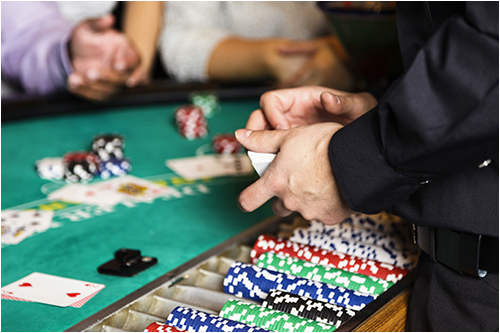
The psychology of gambling can be complex, driven by a potent combination of excitement and risk. For many, the thrill of placing a wager and the potential for a big win can be intoxicating. This allure often stems from a desire for instant gratification and the inherent unpredictability of games of chance. Players may find themselves drawn to the high-energy environment of casinos, where the sights and sounds amplify their excitement and emotions.

This risk-taking behavior is often linked to the psychological concept of dopamine release in the brain. When individuals engage in gambling activities, their brains release dopamine, a neurotransmitter associated with pleasure and reward. This biological response can create a cycle of repeated gambling, as players seek to replicate the euphoric feelings associated with wins, further integrating the psychology of risk into their strategies. best non gamstop casinos uk
Cognitive biases play a significant role in how gamblers formulate their strategies. One common bias is the illusion of control, where players believe they can influence the outcome of games through their decisions or superstitions. This belief can lead to more strategic betting behaviors, as individuals attempt to ‘control’ their fate by relying on patterns or rituals they believe improve their chances of winning.
Additionally, the gambler’s fallacy, the mistaken belief that past events can influence future outcomes, often affects decision-making. For instance, a player may think that a slot machine is ‘due’ for a payout after a series of losses. Such cognitive distortions can lead players to adopt strategies that do not align with the actual probabilities of games, potentially increasing both their risk and investment in gambling.
The emotional landscape of a gambler is intricately woven into their gaming strategies. Emotions such as excitement, anxiety, and frustration can dictate betting patterns and decision-making processes. For example, players may escalate their bets after a loss, driven by the emotional need to recapture their losses or prove their luck. This behavior can lead to a dangerous cycle of chasing losses, which is often detrimental to their overall gaming experience.
Moreover, the environment within the casino can intensify these emotional responses. Bright lights, loud noises, and the presence of other excited players can create an atmosphere that heightens emotions and influences gambling behavior. Understanding these emotional triggers is crucial for gamblers looking to maintain control over their strategies and avoid impulsive decisions that may lead to losses.
Creating effective gaming strategies is essential for casino players hoping to enhance their experience while minimizing losses. A successful strategy often involves understanding game mechanics, rules, and odds, which can empower players to make informed decisions. Additionally, setting limits on time and money before gambling can help maintain a healthy balance and reduce the risk of excessive play.
It is also beneficial for players to analyze their emotional responses and make adjustments accordingly. Recognizing when emotions are influencing decisions can serve as a powerful tool in developing a disciplined gambling strategy. Players who can maintain a level-headed approach are more likely to create sustainable strategies that focus on enjoyment rather than solely on winning.
As the psychology behind casino gaming strategies comes to light, it becomes increasingly important to advocate for responsible gambling practices. Understanding the psychological impacts of gambling can help individuals recognize when their behavior may be becoming problematic. Promoting awareness about cognitive biases, emotional triggers, and risk management is essential in fostering a safer gaming environment.
Furthermore, resources that prioritize user safety and security are crucial in addressing gambling behavior. Websites that offer information and tools for responsible gambling can empower players to make informed choices. By focusing on responsible practices and educational resources, the gambling community can work together to create a healthier approach to gaming that minimizes the risks associated with excessive gambling.