The Allure of Gambling
The world of casinos is vibrant and enticing, designed to lure players into a realm of chance and excitement. The bright lights, sounds of winning, and engaging atmospheres create a stimulating environment that appeals to various psychological triggers. The combination of potential rewards and entertainment draws individuals from all walks of life, often overshadowing the risks involved. For many, the thrill of placing a bet is a significant factor in their decision-making process; this is further enhanced when they explore options like the fastest payout online casino.
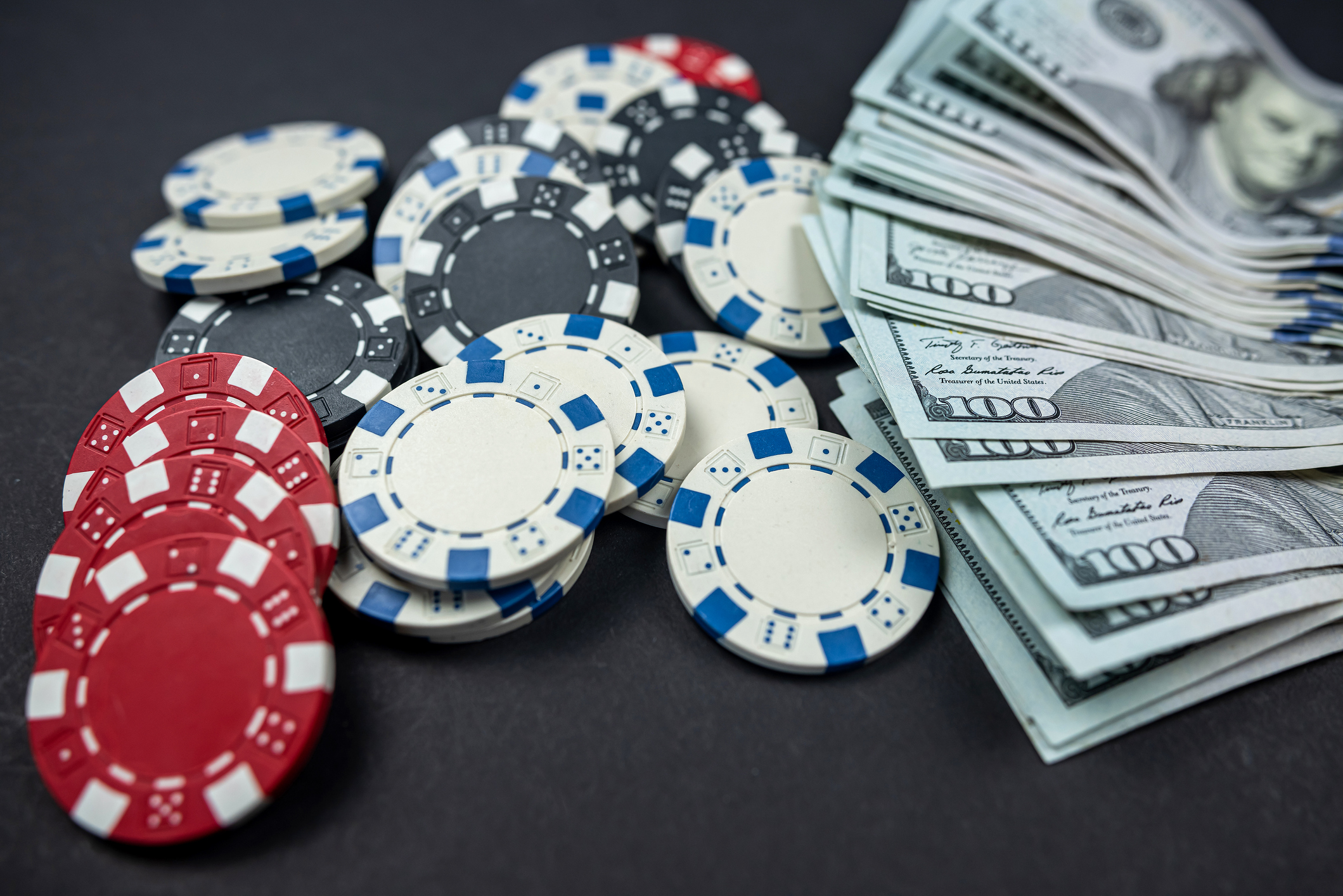
Additionally, the social aspect of gambling cannot be overlooked. Many players enjoy the camaraderie and shared experience of being in a casino, where they can interact with others and feel a sense of belonging. This social engagement enhances the overall enjoyment and can often lead to a deeper emotional investment in their choices, making them more likely to gamble repeatedly.
The Role of Emotions
Emotions play a crucial role in the decisions made by casino players. Often, it is the thrill of winning that drives individuals to gamble, fueling their desire to chase that high. When players experience wins, even small ones, it triggers a release of dopamine in the brain, reinforcing the behavior and leading to a cycle of repeated gambling. Conversely, losses can lead to feelings of frustration and disappointment, which may prompt players to continue gambling in hopes of recouping their losses.
Moreover, the emotional state of players can significantly influence their gambling decisions. Factors such as stress, anxiety, or even celebratory moods can affect how much and how often individuals choose to gamble. This emotional fluctuation can create a precarious loop where players find themselves caught between euphoria and despair, ultimately impacting their choices and behaviors in the casino.
The Influence of Cognitive Biases
Cognitive biases are another significant factor in understanding the psychology of casino players. Players often fall prey to the “gambler’s fallacy,” believing that past outcomes influence future events, which can lead them to make irrational betting decisions. For instance, a player might think that a slot machine is “due” for a payout if it hasn’t paid out in a while, despite each spin being an independent event. This flawed reasoning can lead to increased gambling and potential losses.
Additionally, confirmation bias can play a role in how players interpret their experiences. If a player wins after making a specific bet, they may believe this strategy is sound, ignoring any losses incurred when employing the same method. Such biases can significantly skew decision-making and lead to an inconsistent gambling approach, often resulting in greater financial strain.
The Impact of Marketing and Design
The design and marketing strategies employed by casinos are meticulously crafted to capture the attention of potential players. From the layout of machines to the placement of tables, every aspect is designed to create an inviting atmosphere that encourages prolonged play. The use of free drinks, loyalty programs, and promotions are tactics that aim to keep players engaged and returning for more.
Furthermore, the branding of certain games and the availability of high-stakes areas can entice players who are looking for status and prestige, impacting their decisions on where to spend their money. The overall psychological impact of marketing in casinos cannot be underestimated, as it effectively shapes player behavior and fosters an environment where gambling becomes a tempting pastime.

Casino Insights and Resources
For those interested in delving deeper into the intricacies of gambling psychology, resources and insights are essential. Understanding the mental and emotional factors driving gambling decisions can help individuals navigate their own behaviors and make informed choices. By recognizing the underlying motivations, players can approach gambling more responsibly and with a clearer perspective.
Nordicbridges.ca offers a wealth of information and resources regarding various aspects of cultural activities, including insights into behavior patterns that may resonate with gambling experiences. By utilizing these resources, users can enhance their understanding of not only Nordic culture but also the psychology that plays a significant role in the gambling activities they may encounter.