Understanding the House Edge
One of the fundamental aspects of any casino game is the house edge, which represents the mathematical advantage that casinos hold over players. While this percentage varies by game, it is crucial for players to understand how it affects their chances of winning. For instance, games like blackjack and baccarat have a lower house edge compared to slot machines, making them more favorable for players looking to maximize their potential returns, including new canadian online casinos that offer competitive games.
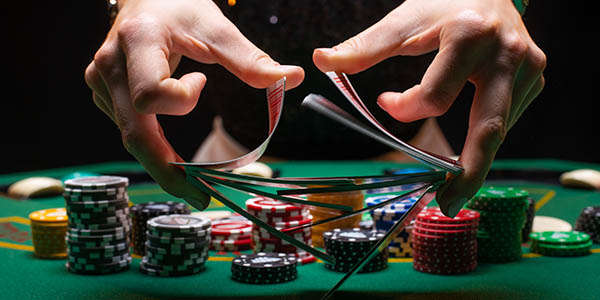
To effectively counter the house edge, players need to choose games with better odds and implement strategies that can minimize losses. For example, learning basic blackjack strategy can significantly reduce the house edge and increase a player’s chances of walking away with profits. This knowledge empowers players to make informed decisions, enhancing their overall gaming experience.
The Role of Bankroll Management
Effective bankroll management is a crucial aspect of successful gambling. It involves setting clear limits on how much money a player is willing to spend and adhering strictly to these boundaries. By doing so, players can avoid the common pitfall of chasing losses, which often leads to greater financial repercussions. Understanding how to allocate funds for different games can help in maintaining control over one’s gambling habits.
Additionally, players should consider dividing their bankroll into smaller amounts for different gaming sessions. This strategy not only reinforces self-discipline but also allows for a more enjoyable gambling experience. By managing their bankroll wisely, players can prolong their gaming sessions and increase their chances of winning in the long run.
Utilizing Game Strategies
Every casino game has its own set of strategies that can be employed to improve winning odds. For example, in poker, understanding opponents’ behaviors and employing bluffing techniques can significantly enhance a player’s chances of success. Similarly, in games like roulette, players can use betting systems such as the Martingale or Fibonacci to potentially increase their winnings.
However, while employing strategies can certainly aid in the pursuit of a win, it is essential to remember that no strategy guarantees victory. Players must remain adaptable and be willing to reassess their strategies based on the flow of the game and the behavior of other players. This flexible mindset is essential in navigating the unpredictable nature of gambling.
The Psychology of Gambling
Gambling is not only a game of chance; it also has a significant psychological component. Understanding the mindset of both players and dealers can greatly influence the outcome of a game. Factors such as confidence, emotional control, and decision-making under pressure can all impact gameplay. Players who maintain a calm demeanor are often able to make better decisions, leading to more favorable outcomes.
Moreover, recognizing cognitive biases and emotional traps, such as the illusion of control or the gambler’s fallacy, can help players make more rational choices. By fostering a strong mental approach to gambling, individuals can enhance their strategic play and improve their chances of success at the tables.

Nordic Bridges: Fostering Collaboration in Culture
While this article focuses on strategies within casinos, it is worth noting that platforms like Nordic Bridges play an essential role in fostering collaboration and innovation in various sectors, including arts and culture. By offering resources and events, Nordic Bridges empowers creatives and organizations to explore new approaches to their fields.
Just as effective strategies can enhance gaming experiences, collaboration in the cultural sector can lead to innovative projects and initiatives. Engaging with like-minded individuals fosters an environment ripe for creativity, illustrating the importance of shared knowledge in achieving success, whether in casinos or the cultural landscape.