The Allure of Chance
The thrill of playing casino games is deeply rooted in the psychology of chance and risk. Players are often attracted by the unpredictable nature of these games, where the potential for winning can spark excitement and hope. This unpredictability can create a psychological high that keeps players coming back for more, as each game offers a chance to beat the odds and achieve a significant win. This is much like the anticipation surrounding events such as the super bowl coin toss, where players hope for favorable outcomes.
Moreover, the concept of near-misses—a situation where players come close to winning but ultimately lose—can reinforce the desire to continue playing. This phenomenon can be attributed to cognitive biases, where players may interpret near-misses as a signal that they are “due” for a win, driving them to make more bets in hopes of achieving success.
The Role of Reward Systems
Casino games are designed with intricate reward systems that tap into the human brain’s reward pathways. When players win, the release of dopamine serves as a powerful motivator, reinforcing their behavior and encouraging repeated actions. This biochemical response creates a cycle where players seek out the exhilarating feelings associated with winning, often leading to a form of conditioned behavior.
Additionally, many casino games incorporate features like bonuses and jackpots, which heighten this sense of reward. The anticipation of these rewards can keep players engaged and invested in the game, creating a compelling experience that blurs the line between entertainment and gambling.
Emotional Triggers and Decision Making
Emotions play a significant role in decision-making when it comes to gambling. Players often engage in these activities not just for financial gain but also for emotional relief or escapism. The excitement of a game can provide a temporary distraction from life’s stressors, making players more inclined to take risks that they might otherwise avoid in calmer circumstances.
Furthermore, emotions such as joy, despair, and anger can influence betting behavior. For instance, a player on a winning streak may be more likely to take bigger risks, while a losing player might chase losses in a desperate attempt to recover. Understanding these emotional triggers allows casinos to tailor their environments and gaming experiences to maximize player engagement.
Social Influences on Gaming Choices
Social factors significantly impact players’ choices in casino games. The influence of peers, social norms, and community engagement can dictate the types of games individuals choose to play. For instance, players may gravitate toward popular games that their friends enjoy or those that are heavily promoted within their social circles.
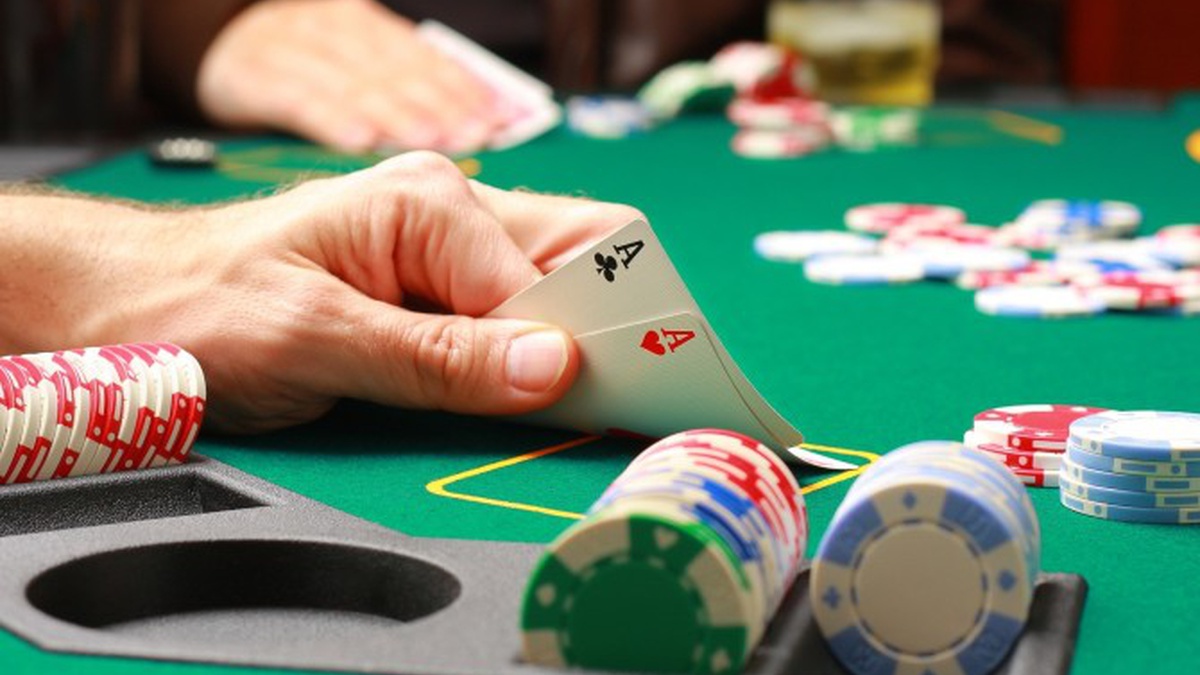
Gambling can also serve as a social activity, where players choose to engage in games as a means of fostering connections and camaraderie. The social interaction involved in group games like poker can enhance the experience, making the act of playing more about the social environment than just the financial stakes involved.
Exploring Our Site
This website offers a wealth of resources designed to deepen your understanding of the psychology behind gambling behavior. We aim to provide insights not only into the mechanics of casino games but also into the emotional and social factors that drive player behavior. Whether you’re a seasoned gambler or just a curious observer, our content is structured to enhance your knowledge and awareness.
By exploring various aspects of gambling psychology on our site, you can gain a more profound perspective on the choices players make, enabling you to approach casino games with a more informed mindset. We invite you to navigate through our articles and explore the dynamic interplay between human behavior and gambling.