The Allure of Gambling: An Introductory Perspective
The world of casinos is a fascinating realm where excitement and risk intermingle, drawing millions of people each year. The psychology behind casino gaming behavior is intricate, as it encompasses motivations, emotions, and cognitive biases that guide players’ decisions. Many people also look to bet on super bowl as another form of gambling that ties into the broader themes of risk-taking and reward anticipation.

This allure often stems from a mix of thrill-seeking and the promise of potential financial gain. The thrill of betting and the anticipation of winning can trigger a rush of dopamine, a neurotransmitter associated with pleasure. This neurochemical response can make the gambling experience highly addictive, leading individuals to return to casinos in search of that next high.
The Role of Cognitive Dissonance in Gaming Choices
Cognitive dissonance plays a significant role in how gamblers justify their behavior. When players face losses, they may rationalize their choices by emphasizing the thrill of the game or the possibility of a win on the next bet. This mental gymnastics helps mitigate feelings of regret and allows them to continue playing despite unfavorable outcomes.
Moreover, cognitive biases, such as the gambler’s fallacy, contribute to skewed perceptions of probability. Many players believe that past results influence future outcomes, leading them to chase losses or feel confident in their next bet. These thought patterns illuminate the complex interplay between psychology and gambling behavior.
The Influence of Environment on Gaming Behavior
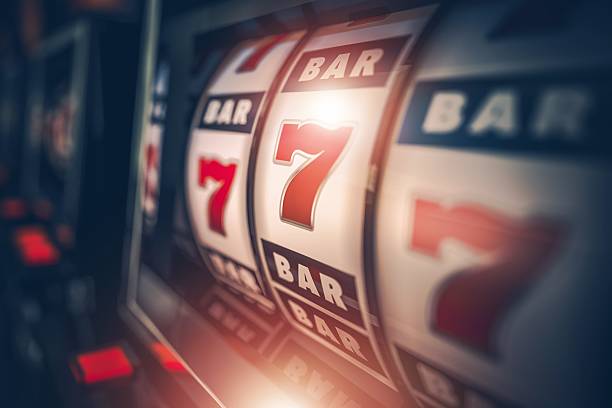
The casino environment is meticulously designed to enhance the gaming experience, manipulating players’ perceptions and emotions. Bright lights, engaging sounds, and the layout of gaming machines create an immersive atmosphere that encourages prolonged play. This sensory overload can distort time and space, making it easy for players to lose track of their gambling duration and expenditures.
Additionally, social dynamics within casinos can further influence behavior. Gamblers often engage in peer interactions, sharing the excitement or commiserating over losses. This social aspect not only heightens the thrill but also reinforces the decisions made while betting, as players seek validation from their peers or celebrate shared wins.
The Impact of Personal Factors on Gambling Behavior
Individual psychology significantly shapes gambling preferences and behaviors. Factors such as personality traits, age, and past experiences can inform how someone approaches casino gaming. For instance, extroverted individuals may be drawn to lively table games, while introverts might prefer solitary slot machines. Understanding these personal attributes can shed light on varied gambling habits and risk profiles.
Additionally, emotional states play a critical role in gambling behavior. Research indicates that individuals may gamble to escape negative feelings or enhance positive moods, leading to a cycle of dependency. Those who gamble in response to stress or anxiety often find themselves caught in a loop of seeking solace through betting, further complicating their relationship with gambling.
Exploring Resources for Gamblers
An understanding of the psychological aspects of casino gaming behavior can foster a more responsible approach to gambling. Resources that provide insights into gaming behavior are essential for individuals seeking to engage in gambling safely. Whether it’s educational materials, support groups, or online platforms, there are numerous tools available to help gamblers reflect on their habits and make informed choices.
While some online platforms may currently face access issues, they aim to offer valuable resources and support for individuals interested in understanding their gaming behaviors better. Regularly checking for updates and exploring other available sections can provide essential insights into the psychology of gambling, ultimately helping players navigate this complex world more responsibly.