The Allure of Chance
Casino games have long captivated players with their promise of fortune. The thrill of chance is inherently appealing; it taps into our basic instinct for risk and reward. Players often find themselves drawn to the unpredictability of games like slots, poker, and blackjack, where the outcome is uncertain and, therefore, exciting. This suspense keeps players engaged and can trigger adrenaline, leading to a heightened emotional state that enhances the overall experience. Additionally, many enthusiasts consider the best betting app for football as a way to enjoy their passion for wagering in more diverse betting scenarios.
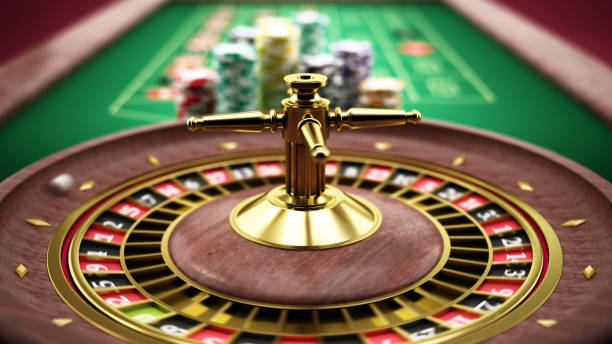
The psychological concept of variable reinforcement plays a crucial role in this allure. Unlike traditional rewards, where outcomes are predictable, the random rewards in casino games create a sense of excitement and anticipation. This unpredictability encourages players to keep playing, as each spin of a slot machine or round of cards could potentially lead to a life-changing win.
The Social Aspect of Gambling
Gambling is not merely an individual pursuit; it is often a social event that brings people together. Many players enjoy the communal atmosphere of a bustling casino or the camaraderie of playing poker with friends. This social engagement can amplify the enjoyment factor, making each game feel less about the monetary stakes and more about shared experiences and interactions.
The interactions between players can lead to a sense of belonging and connection, turning gambling into a social activity rather than just a solitary one. Such dynamics are particularly appealing in environments where players can celebrate wins together or strategize collectively, reinforcing the idea of community within gambling.
The Psychological Triggers at Play
Various psychological triggers can influence why people are drawn to casino games. For instance, the concept of escapism is significant; players often seek refuge from everyday stresses and responsibilities. Engaging in gambling provides a temporary escape where individuals can immerse themselves in a world of excitement and possibility.
Furthermore, the concept of loss aversion plays a role in gambling behavior. Players are often motivated to continue playing in the hopes of recovering losses, driving them deeper into the cycle of gambling. This psychological mechanism can lead to problematic gambling behaviors, as the desire to win back lost money can overshadow rational decision-making.
The Role of Marketing and Design
The design and marketing strategies of casinos also significantly influence player behavior. Bright lights, engaging sounds, and free drinks create an alluring environment that keeps players on the floor longer. Casinos invest heavily in creating a sensory experience that stimulates emotions and encourages prolonged play.
Moreover, the effective use of loyalty programs and bonuses can entrench players deeper into the gambling culture. These incentives create a sense of value and reward, making players feel appreciated while simultaneously encouraging them to spend more time and money at the casino.

Understanding Our Gambling Habits
As we delve into the psychology of why we play casino games, it’s essential to also recognize the complexity of these behaviors. While many enjoy gambling recreationally, others may face challenges that stem from addictive patterns. Understanding the psychological underpinnings can help individuals and communities better address and manage these gaming habits.
This website aims to be a resource for exploring the intricacies of gambling behaviors and the psychological elements involved. By gaining insights into our motivations and habits, we can foster a healthier approach to entertainment and leisure activities, ensuring that the thrill of the game remains enjoyable for everyone involved.