The allure of uncertainty
Risk-taking in casino games is often driven by the allure of uncertainty and the excitement that accompanies it. Players are drawn to the unpredictable nature of games like poker, blackjack, and slot machines, where every decision could lead to a significant win or loss. Many enthusiasts find themselves engaging with websites that provide insights into gambling strategies or even visiting an online casino with interac for convenience. This thrill is closely tied to psychological principles such as the reward system in the brain, where the potential for a big payout can trigger feelings of euphoria.
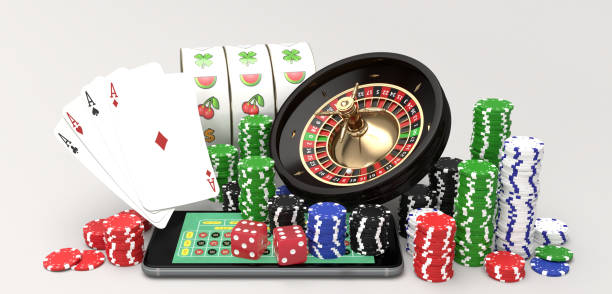
Moreover, the environment of a casino itself magnifies this allure. Bright lights, engaging sounds, and the presence of other players enhance the emotional highs that come with risk-taking. This immersive experience often leads individuals to make bolder decisions than they would in other contexts, as the adrenaline rush can cloud rational judgment.
The role of vulnerability
Vulnerability plays a crucial role in risk-taking behaviors, particularly in casino settings. Individuals often enter these venues with various personal motivations, such as a desire for escape, social interaction, or the thrill of competition. This emotional state can significantly influence their willingness to take risks.
For many, the chance of losing money is often overshadowed by the excitement of potential gains. This can create a paradox wherein the very act of risking money becomes a method of coping with stress or dissatisfaction in other areas of life. Understanding this psychological background can highlight the deep-seated reasons individuals engage in high-stakes gambling.
Cognitive biases and gambling
Cognitive biases, such as the illusion of control and gambler’s fallacy, further complicate the psychology of risk-taking in gambling. The illusion of control arises when players believe they can influence the outcome of a game through their choices, even in games of chance like roulette. This belief can encourage more frequent and riskier bets, as players feel empowered by their perceived agency.
On the other hand, gambler’s fallacy leads individuals to believe that past outcomes can predict future results. For example, a player may think that a slot machine is “due” for a payout after a series of losses. Such cognitive distortions can foster a cycle of risk-taking that is difficult to break, reinforcing the behavior and potentially leading to problematic gambling.
The impact of social factors
Social influences are significant in understanding why individuals take risks in casino games. Interactions with peers can enhance the thrill of gambling, as players may feel encouraged to act more boldly when in a group setting. This social dynamic can amplify the excitement and create an environment where risk-taking becomes normalized.
Additionally, the presence of skilled players can also impact novice gamblers. Observing experienced gamblers making high-stakes bets can create a sense of momentum and influence others to mimic this behavior, regardless of their own understanding of the game. This social comparison often leads to escalated risk-taking as individuals aim to match or exceed the actions of their peers.
Fostering a responsible gambling community
In light of the various psychological factors influencing risk-taking in casino games, fostering a responsible gambling community is essential. Organizations and initiatives dedicated to raising awareness about the implications of gambling are crucial in helping individuals understand their behaviors and make informed decisions.
By providing educational resources about the risks associated with gambling and promoting healthier approaches, communities can support those who engage in casino games. Such efforts can help mitigate the potential negative consequences of risk-taking behavior, encouraging a safer and more supportive environment for all participants.