The Allure of Gambling: Understanding Attraction
The world of casinos is designed to attract players through a carefully crafted environment that stimulates the senses. Bright lights, engaging sounds, and the promise of winning create an alluring atmosphere that draws individuals in. This allure is often rooted in psychological principles, such as the excitement of risk-taking and the appeal of escaping reality. Many gamblers might find that exploring betting sites promotions adds to the thrill of their gaming experience, seeking not just monetary rewards but also a reprieve from daily stressors and routine.
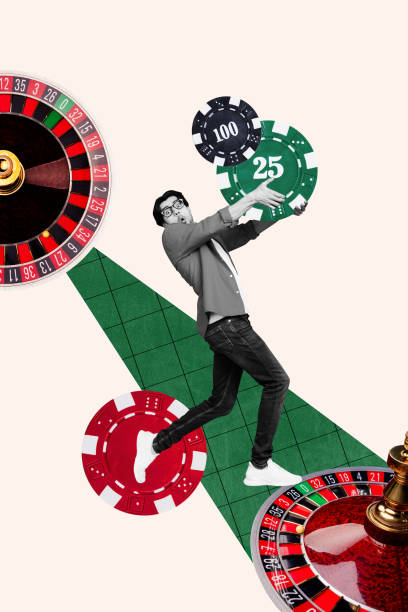
Moreover, the design of casino games is strategic, utilizing concepts like near-misses and variable rewards to keep players engaged. The psychology of anticipation plays a significant role here; when players experience near-wins, their brains release dopamine, creating a sense of excitement and reinforcing the behavior. This state of anticipation can lead to prolonged play, as the brain continues to seek the thrill of a potential win.
The Role of Emotion in Gambling Decisions
Emotions significantly influence casino player behavior, often driving decisions more than rational thought. Players may experience a range of emotions, from excitement and joy when winning to frustration and disappointment when losing. This emotional rollercoaster can create a chase for losses, where individuals continue to gamble in an effort to regain what they have lost, illustrating the powerful connection between emotion and gambling behavior.
Furthermore, casinos leverage this emotional aspect by providing an environment that heightens feelings of euphoria and pleasure. The social interaction found in casinos—with friends, dealers, and even other players—can enhance the emotional experience. This interplay of emotions not only keeps players engaged but also promotes a sense of community, making them more likely to return.
Addiction and Compulsive Gambling: A Psychological Perspective
The psychology of casino players also encompasses the darker side of gambling: addiction and compulsive behavior. For some individuals, the thrill of gambling can lead to a pathological need to gamble, despite adverse consequences. This condition is often linked to underlying psychological factors, including anxiety, depression, and a history of trauma.
Understanding the patterns of addiction involves recognizing the signs of compulsive behavior. Players may become secretive about their gambling habits, experience guilt or shame, and find themselves prioritizing gambling over personal, social, or professional obligations. Treatments for gambling addiction often focus on addressing these underlying psychological issues while providing strategies to manage impulses and develop healthier coping mechanisms.
The Social Dynamics of Casino Play
Social influences play a crucial role in shaping casino player behavior. Many individuals gamble not only for the thrill of chance but also for the camaraderie and social connections it fosters. Casinos often serve as social hubs where friends and family gather to enjoy games together, creating an environment that encourages shared experiences.
Moreover, the presence of fellow players and supportive companions can bolster a player’s confidence, impacting their decision-making. The influence of peers can lead to both positive reinforcement and negative consequences, as players may feel pressured to continue gambling or to increase their stakes, often leading to riskier behavior. Understanding these social dynamics is vital in comprehending why individuals may choose to gamble and how they interact within the casino space.

Exploring Online Casino Behavior and Its Implications
The rise of online casinos has transformed gambling behavior, bringing forth a new set of psychological factors that shape player engagement. Online platforms offer convenience and anonymity, attracting a diverse range of players who may not visit traditional casinos. The ease of access can lead to increased gambling frequency, as players can partake from the comfort of their homes, often blurring the lines of moderation.
In this digital age, understanding online casino behavior is crucial for both players and providers. The lack of physical presence can reduce the social elements of gambling, leading to feelings of isolation for some. Online casinos must find ways to foster a sense of community and responsibility while ensuring player safety and well-being. As the landscape evolves, it is imperative to educate players about healthy gambling practices and the importance of recognizing signs of problematic behavior.