The Allure of Casinos: Understanding Attraction
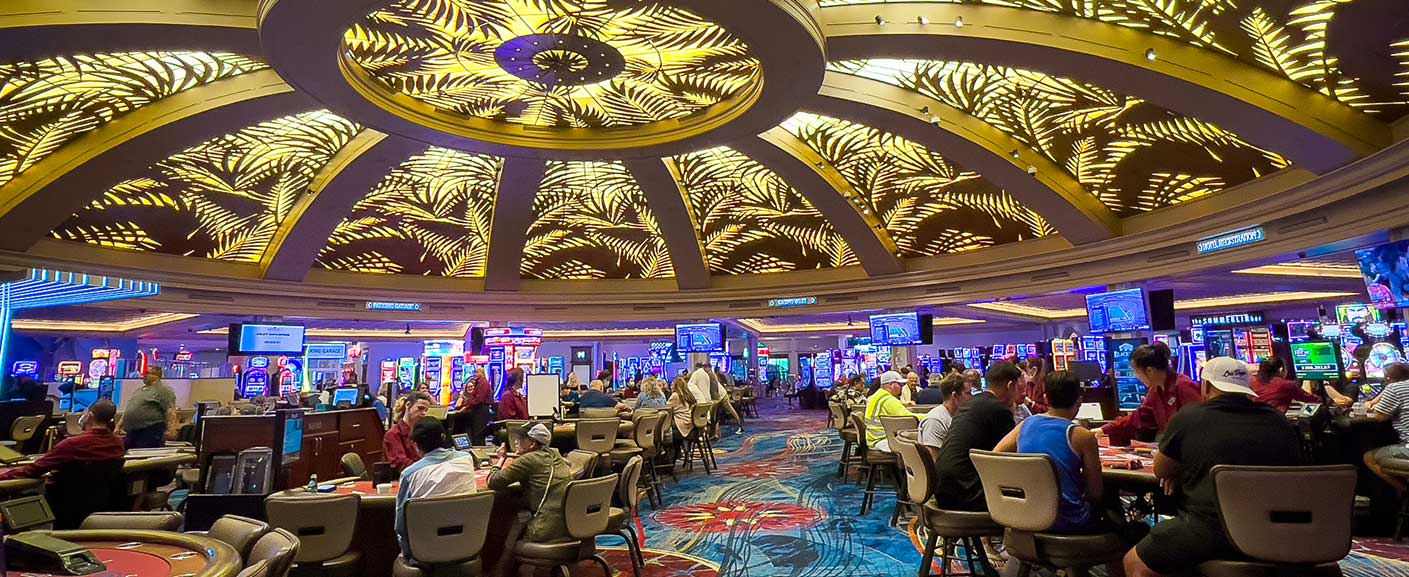
The excitement of casinos often draws individuals in with the promise of thrill and potential wealth. This attraction is deeply rooted in psychological concepts such as risk-taking and reinforcement. The ambiance of flashing lights, sounds of slot machines, and the presence of fellow gamblers contribute to an immersive experience that taps into various sensory triggers, making it difficult for individuals to resist. Additionally, some players might find the allure of an online casino particularly enticing, as they can indulge in gaming from the comfort of their homes.

Moreover, casinos are designed to keep players engaged for longer periods. The layout often lacks clocks and windows, creating a timeless space that encourages prolonged play. This carefully curated environment exploits human psychology by heightening anticipation and desire, leading individuals to spend more time and money than initially intended.
The Role of Cognitive Biases in Gambling
Cognitive biases significantly influence gambling behavior, with the illusion of control being one of the most prominent. Gamblers often believe they can predict outcomes or influence events through their choices, such as selecting specific numbers on a roulette wheel or interpreting patterns in slot machine payouts. This false sense of agency can lead to persistent gambling, despite the randomness of the games.
Additionally, the gambler’s fallacy—a belief that past events affect future outcomes—plays a crucial role in gambling behavior. For instance, a player may think that a losing streak on a slot machine must be followed by a win, prompting them to continue playing in hopes of an imminent jackpot. These cognitive distortions perpetuate gambling behavior, often leading to increased financial risk.
Emotional Factors and Gambling Addiction
Emotions heavily influence gambling decisions, with many individuals turning to gambling as a means of escaping negative feelings or enhancing positive ones. The thrill experienced during gameplay can trigger the release of dopamine, a neurotransmitter associated with pleasure and reward. This biochemical response reinforces the desire to gamble, making it difficult for individuals to moderate their behavior.
Moreover, the emotional rollercoaster of winning and losing creates a unique psychological experience that can lead to addiction. Gamblers often chase losses, hoping to regain what they’ve lost, which further entrenches their compulsive behaviors. Understanding these emotional underpinnings is essential for recognizing the signs of gambling addiction and seeking help.
The Social Dynamics of Gambling Behavior
Gambling is often a social activity, and the dynamics of group behavior can significantly impact individual gambling decisions. Social influences, such as peer pressure and the desire for acceptance, can lead individuals to gamble more than they might typically choose to do when alone. The communal aspect of gambling can amplify the excitement and risk, making it a shared adventure that feels more exhilarating.
Additionally, casinos capitalize on this social aspect by offering games that require multiple participants, such as poker and blackjack. The competitive nature of these games not only enhances the thrill but also fosters a sense of camaraderie among players. This social reinforcement can keep individuals returning to the casino, further entrenching their gambling habits.
Website Support and Resources for Gambling Awareness
While casinos provide an exhilarating environment, it is crucial to acknowledge the darker side of gambling behavior, particularly regarding addiction. There are resources available for individuals seeking support and information on gambling issues. Raising awareness about gambling addiction is essential in fostering healthier gambling habits and encouraging those at risk to seek help.
The website serves as a valuable resource for individuals looking to understand gambling behavior and its psychological underpinnings. Although access may be restricted, it is dedicated to ensuring user safety while providing insights and support for those affected by gambling. Encouraging informed decisions is vital in navigating the complexities of gambling and its psychological impacts.