The Attraction of Casino Games
Casino games hold a unique allure that draws millions of players worldwide. One of the primary psychological factors at play is the thrill of risk and reward. When players engage in gambling, they experience a blend of excitement and anxiety, which can be incredibly addictive. The potential for a significant payoff fosters a sense of hope and anticipation that keeps players returning to the tables or slots. Many enjoy playing both traditional games and exploring online pokies, which add to the diversity of experiences available.
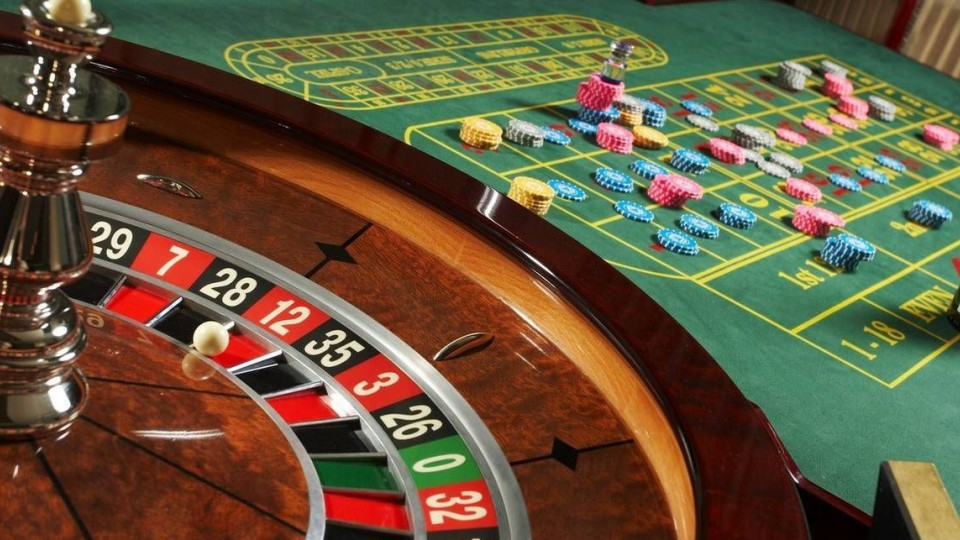
Additionally, the design of casino environments caters to this attraction. Bright lights, engaging sounds, and festive atmospheres create a sensory overload that stimulates enjoyment and reduces the perception of time. This carefully curated environment enhances players’ emotional responses, making them more likely to engage in prolonged gaming sessions.
The Role of Cognitive Biases
Understanding the psychology behind player behavior also involves recognizing various cognitive biases that influence decisions at the casino. One common bias is the illusion of control, where players believe they can affect the outcome of games based on their skills or strategies, even in games of chance. This false sense of control can lead to persistent gambling despite negative outcomes.
Another prevalent bias is the gambler’s fallacy, the belief that past events influence future outcomes in random events. For instance, a player might think that a losing streak leads to an impending win. These cognitive distortions significantly impact player behavior, driving them to continue gambling even when the odds are against them.
Emotional Regulation and Escape
For many players, gambling serves as a means of emotional regulation. The casino environment can provide a temporary escape from daily stressors, allowing individuals to immerse themselves in a world of excitement and distraction. This escapism is often rooted in the desire to avoid negative emotions, making gambling an attractive option for those seeking relief.
Furthermore, the immediate rewards found in casino games can create a cycle of reinforcement. When players experience wins, no matter how small, it triggers the brain’s pleasure centers, leading to an increased desire to play. This cycle can contribute to problematic gambling behavior over time, as players chase the highs associated with winning.
The Social Aspect of Gambling
Casino gaming is not just about the games themselves; it also encompasses social interactions. Many players enjoy the camaraderie that develops around gaming tables or within online platforms. The social aspect can amplify the allure of gambling, fostering friendships and shared experiences that enhance overall enjoyment.
Additionally, social proof plays a significant role in player behavior. When individuals see others winning or having fun, they are more likely to join in, believing that a similar experience awaits them. This effect is particularly evident in environments where there is a communal aspect to gaming, such as in poker rooms or during tournaments, where interactions can heighten the excitement.

Understanding Access and Resources
Exploring the psychology behind casino games and player behavior also highlights the importance of resources available to players. Many online platforms and local casinos strive to provide the best experience for their users. However, accessibility can sometimes be an issue, as indicated by restricted access messages that may arise for various reasons.
For individuals seeking to navigate these challenges, reaching out to support teams or looking for alternative resources can prove beneficial. Understanding the available tools and information can help enhance the gaming experience and facilitate a deeper understanding of both the games and the underlying psychological factors that drive player behavior.