The Role of Personality in Game Selection
Understanding the psychology behind casino game preferences often begins with an exploration of individual personalities. Different personalities gravitate towards specific types of games based on their personal traits, risk tolerance, and social needs. For instance, extroverted individuals may find themselves drawn to interactive games like poker, where socialization plays a crucial role, while introverts might prefer solitary games such as slots. In this context, many players are also discovering the benefits of bitcoin casinos, which combine traditional gaming experiences with innovative technology.
Additionally, aspects such as anxiety levels can also influence game choices. Those with higher anxiety may seek out games that promise greater control, such as blackjack, where strategy can reduce unpredictability. Conversely, thrill-seekers might prefer the randomness of roulette, where the element of chance can heighten excitement.
The Influence of Emotions on Game Preferences
Emotions significantly shape our decisions, especially in pleasurable environments like casinos. Research indicates that emotions can sway player choices before they even engage with the game. A player looking for excitement may be drawn to fast-paced games, while someone seeking relaxation might opt for slower, more laid-back gaming experiences.
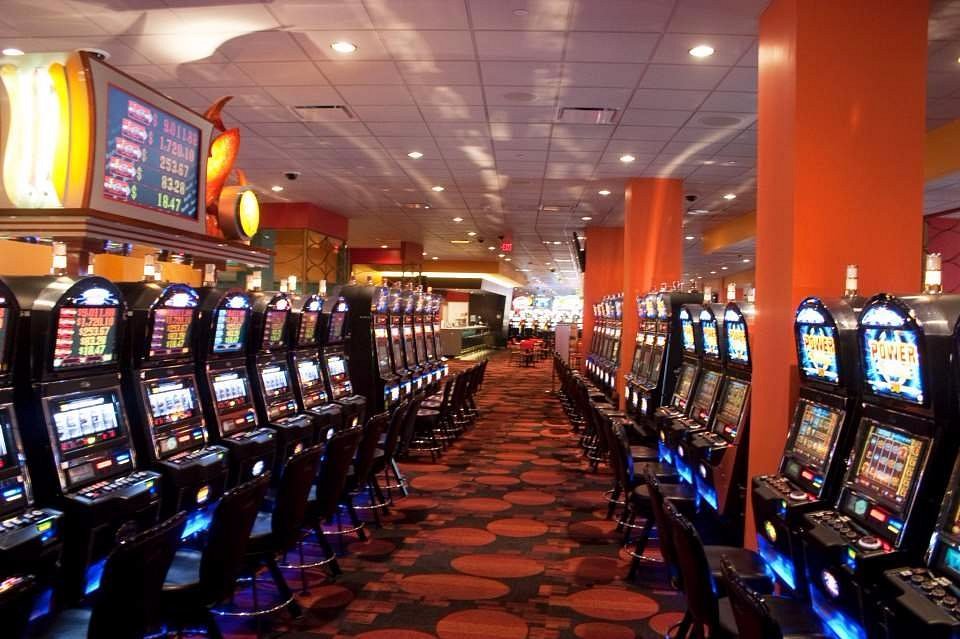
The concept of “temporal discounting” also plays a key role here. When players focus on immediate rewards rather than future outcomes, they are more likely to select games that provide instant gratification. This can explain why many people flock to slot machines, which offer quick results and can stimulate dopamine release, creating a cycle of repeated play.
Cognitive Biases and Gaming Decisions
Cognitive biases can significantly impact how players perceive their chances of winning and influence their game preferences. For example, the “illusion of control” bias leads players to believe they can affect the outcome in games of chance, like slot machines, even when they cannot. This belief can drive them toward games where they feel more empowered, despite the underlying randomness.
The “gambler’s fallacy” is another cognitive bias worth noting. Many players mistakenly believe that past outcomes affect future results, leading them to choose games based on previous wins or losses. This can result in a preference for certain games that they feel have given them a streak of good luck, despite the reality that each game’s outcome is independent.
The Social Dynamics of Casino Gaming
The atmosphere of a casino and social interactions play a pivotal role in shaping game preferences. Many individuals enjoy the communal experience of playing games like craps or poker, where interaction with others adds to the thrill. The social aspect can enhance the emotional experience, making players feel more connected and engaged.
Moreover, peer influence cannot be underestimated. Friends or family members often play a significant role in determining which games people choose. When someone shares their positive experiences or recommendations, it can lead others to explore those options, amplifying social bonds and overall enjoyment within the gaming environment.
Your Gateway to Casino Exploration
At our website, we provide a comprehensive platform for learning about various casino games and understanding the intricate psychology behind player preferences. Our content is designed to empower readers with knowledge that enhances their gaming experiences while maintaining a secure browsing environment.
Whether you’re a seasoned player or new to the casino world, our resources aim to equip you with insights that can influence your game choices. Explore our rich content and gain a deeper understanding of what drives your gaming decisions in a secure and engaging way.