The Allure of Gambling: Understanding the Attraction
The psychological allure of gambling captivates many individuals, drawing them to casinos in search of excitement and potential reward. This attraction is rooted in various psychological factors, including the thrill of risk-taking, the desire for instant gratification, and the element of social interaction. For many, the casino environment is not just about the games themselves; it’s an experience filled with lights, sounds, and an electric atmosphere that heightens emotions and enhances the desire to win. Additionally, those searching for more enticing options might consider a no kyc crypto casino as an alternative.
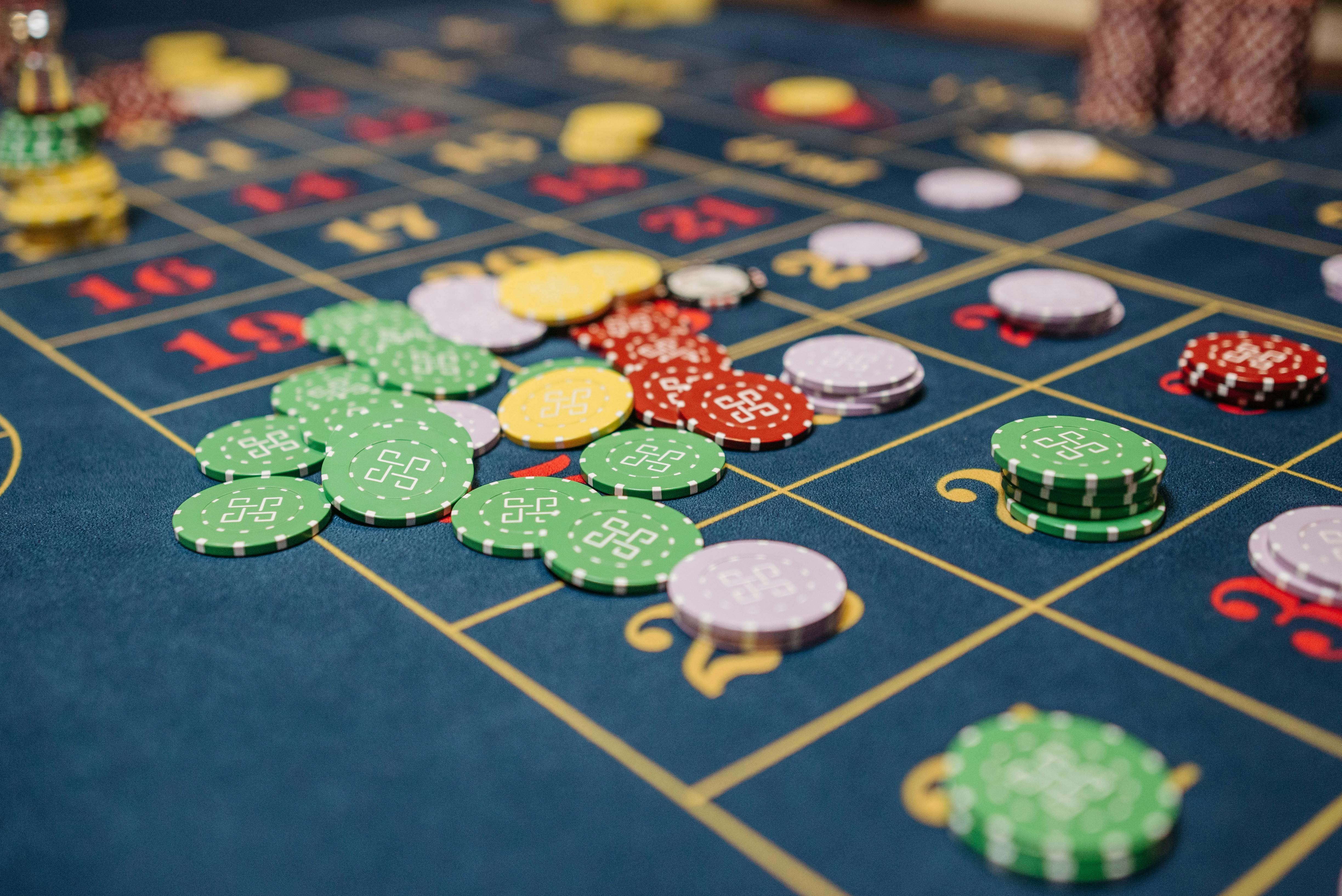
Moreover, the concept of the “near-miss” plays a significant role in boosting a gambler’s confidence and triggering a desire to continue playing. When someone almost wins, their brain releases dopamine, the same chemical associated with pleasure and reward, leading them to believe that a win is just around the corner. This psychological feedback loop can create a compelling reason for players to return to the gaming tables, often against their better judgment.
The Role of Cognitive Bias in Gambling
Cognitive biases significantly influence how gamblers perceive their chances of winning. One prevalent bias is the illusion of control, where players believe they can influence the outcome of a game purely through skill or decision-making, despite the inherent randomness of many casino games. This belief can lead to overconfidence and increased wagering, often resulting in greater losses.
Another common cognitive bias is the gambler’s fallacy, where players assume that past results affect future outcomes. For instance, if a roulette wheel has landed on red several times in a row, a player might believe that black is ‘due’ to come up next. This faulty reasoning can lead to misguided betting strategies, further entrenching the player in a cycle of gambling without understanding the true nature of chance and probability.
Emotion and Decision-Making: The Impact of Stress and Excitement
Emotion plays a critical role in decision-making while gambling. The excitement and adrenaline rush associated with winning can impair rational thinking, causing gamblers to make impulsive decisions. This emotional high can overshadow logical reasoning, leading players to chase losses in hopes of recovering their funds. Such behavior often results in a dangerous cycle of increased betting and greater financial losses.
On the flip side, a losing streak can evoke stress and anxiety, leading to a phenomenon known as “tilt.” When players are on tilt, their judgment becomes clouded, and they may start making irrational or aggressive bets as a means of coping with their emotions. Understanding this emotional impact is crucial for gamblers who wish to develop a more strategic approach to their gaming experience.
The Influence of Environment and Social Dynamics
The casino environment itself is deliberately crafted to enhance the experience of gambling. The layout, lighting, and sounds are all designed to create a stimulating atmosphere that encourages prolonged play. Moreover, social dynamics play a significant role; players often feed off each other’s energy, creating a sense of camaraderie that can amplify the excitement of winning.
For many, the social aspect of gambling adds an additional layer of enjoyment. Whether playing at a table with friends or engaging with dealers and fellow players, the interactions can enhance the gaming experience. However, these social dynamics can also lead to peer pressure, where individuals may feel compelled to gamble more than they initially intended, further complicating the psychological landscape of gaming.

Conclusion: The Importance of Responsible Gambling
Understanding the psychology behind winning at the casino is essential for fostering responsible gambling practices. Recognizing cognitive biases, emotional influences, and the impact of the gambling environment can empower individuals to make more informed decisions. Responsible gambling emphasizes the importance of setting limits, acknowledging the risks involved, and seeking help if gambling becomes problematic.
As you explore the intricate world of gambling psychology, it is essential to prioritize a safe and enjoyable experience. Your journey through the casino should be one of entertainment and excitement rather than a pathway to financial distress. If you seek further insights or support in your gambling endeavors, please remember that responsible play is key to enjoying the thrill of the game while maintaining control over your actions.