The Allure of Gambling: Understanding Player Motivation
The psychological motivation behind why people gamble in casinos is complex and multifaceted. One key factor is the thrill of risk-taking, which activates the brain’s reward system. The potential for a big win, combined with the excitement of uncertainty, can lead to a highly stimulating experience. This rush is often compared to other forms of excitement, such as extreme sports or roller coasters, where participants seek out adrenaline-filled experiences. Additionally, the appeal of accessing online casino ontario platforms has made gambling more accessible to many individuals.
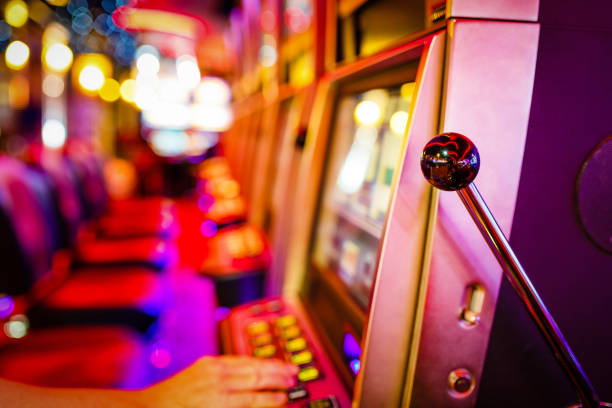
Addiction also plays a role in the psychological allure of gambling. Some individuals may be predisposed to compulsive behaviors, leading them to seek out the casino environment for the dopamine highs that come with wins, regardless of the subsequent losses. Understanding these emotional triggers helps in grasping the full landscape of gambling behavior.
The Role of Cognitive Biases in Gambling Decisions
Cognitive biases significantly influence gambling strategies and decisions. For instance, the illusion of control is a common bias where gamblers believe they can influence outcomes, such as a slot machine spin or a card shuffle. This belief often drives players to persist in their strategies despite statistical evidence suggesting otherwise.
Another prevalent bias is the gambler’s fallacy—the mistaken belief that past events can affect future probabilities. For example, if a player observes a particular number not appearing on a roulette wheel for several spins, they might incorrectly assume it is ‘due’ to appear soon. These biases shape not only individual decisions but also broader gambling behaviors within casino settings.
Emotional Resilience and Gambling Strategies
The development of emotional resilience is crucial for successful gambling strategies. Players often encounter losses, which can be distressing and lead to impulsive decision-making. By cultivating emotional awareness and resilience, gamblers can better manage their reactions to loss, thereby making more informed strategic choices rather than succumbing to fear or frustration.
Strategies that focus on emotional intelligence, such as setting loss limits or practicing mindfulness, can enhance a player’s experience and improve decision-making. The ability to stay calm and collected can help mitigate the high stakes environment of casinos, leading to more effective gambling strategies in the long run.
The Social Dynamics of Casino Gambling
The social environment of casinos plays a significant role in shaping gambling behaviors. Interacting with others can provide a sense of community and shared experience, enhancing the overall thrill of gambling. People often engage in group strategies, discussing their tactics or sharing superstitions, which can further boost confidence and influence decision-making.
Additionally, peer pressure can significantly affect gambling strategies, with individuals sometimes feeling compelled to gamble more or adopt certain behaviors to fit in with a group. This dynamic can lead to both positive and negative outcomes, as communal experiences can foster camaraderie but may also encourage reckless gambling behaviors.
About Our Website
Our website is dedicated to exploring various aspects of gambling and casino strategies, providing insights into the psychological factors that influence players. From understanding motivations to analyzing the impact of cognitive biases, we aim to offer valuable information that empowers gamblers to make more informed decisions.
By fostering a community focused on sharing knowledge and experiences, we create a platform for individuals to engage in discussions about best practices in the gambling world. Join us as we delve deeper into the intricate interplay of psychology and gambling strategies, enhancing your understanding of this captivating subject.