The Role of Cognitive Biases in Gambling
Cognitive biases significantly influence the decision-making processes of gamblers in casinos. For instance, the gambler’s fallacy—a common misconception that past events affect future outcomes—can lead players to make irrational bets. If a player observes a series of losses, they might believe that a win is “due,” prompting them to escalate their wagers despite the odds remaining constant. This psychological quirk often results in larger losses, showcasing how cognition can impair judgment in high-stakes environments. Furthermore, many players enjoy engaging in online casinos, where cognitive biases can also take root.

Another bias affecting casino visitors is the illusion of control, where players believe they can influence random outcomes, like those in slot machines or roulette. This leads to a false sense of security that encourages continued play, further complicating their ability to make rational decisions about when to stop, reinforcing the cycle of betting.
The Impact of Emotions on Gambling Choices
Emotion plays a crucial role in decision-making in casinos, often overshadowing logical reasoning. Feelings of excitement or euphoria can cause gamblers to chase their losses, driven by a desire to recapture their previous successes. This emotional rollercoaster can lead individuals to overlook strategies in favor of impulsive behavior, ultimately affecting their financial stability and gambling experience.
Moreover, negative emotions such as frustration or sadness following a loss can prompt players to continue gambling in an attempt to alleviate their emotional pain. This behavior can create a dangerous pattern where individuals become trapped in a cycle of emotional gambling, further complicating their ability to make sound decisions.
The Influence of the Casino Environment
The layout and atmosphere of a casino are meticulously designed to enhance the gambling experience and influence decision-making. Bright lights, enticing sounds, and the strategic arrangement of games can create a captivating environment that encourages extended play. The sensory overload acts as a psychological cue, leading gamblers to spend more time and money than they originally intended.
Additionally, the presence of other players can affect individual decision-making strategies. Observing others’ wins or losses can trigger social comparison, whereby gamblers adjust their strategies based on the perceived success of their peers. This often leads to reckless decisions that prioritize fitting in or competing with others over personal strategy or calculated risk assessment.
The Role of Strategy in Decision Making
While emotions and cognitive biases play significant roles in casino decision-making, many gamblers employ strategies to improve their odds. These may include carefully managing bankrolls or using betting systems designed to maximize potential wins. However, these strategies are often undermined by the aforementioned psychological factors, making it crucial for players to remain aware of their mental state when wagering.
Understanding the psychology of gambling can lead to more informed decisions. Players who acknowledge their biases and emotional triggers can become more adept at developing strategies that align with their objectives, ultimately enhancing their overall gaming experience while reducing the potential for financial loss.
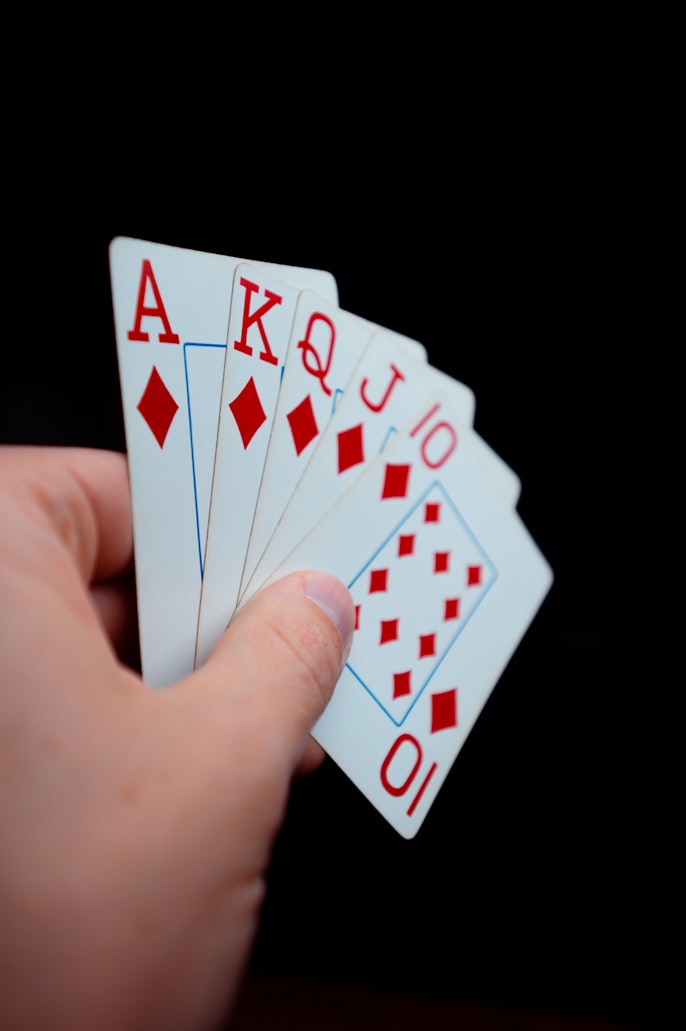
Discover More on Our Website
Our website is dedicated to providing essential insights and resources for both casual gamblers and serious strategists. We understand the complexities of casino decision-making and aim to offer valuable information that can enhance your understanding and enjoyment of the gambling experience.
By exploring our platform, you can find tips, strategies, and in-depth articles designed to help you navigate the fascinating world of casinos more effectively. Join us as we delve deeper into the psychology of gambling, ensuring that the thrill of the game is matched by informed decision-making.